This is a SEO version of SonoraRegional. Click here to view full version
« Previous Page Table of Contents Next Page »heights
www.sonoramedicalcenter.org • Healthy Living 5
A winning score
Surgeries: 500, infections: 0
Infection is a potential risk in any sur-gery. But at Sonora Regional Medical Center, it’s a risk that has met its match. The infection rate here has been less than 1 percent for the past fve years. That’s an exceptional statistic. And the numbers from the joint replacement program are even better.
“In the past two years, with over 500 joint replacements, we’ve had zero infections,” says Airell Nygaard, MD. It comes from surgical teams follow-ing precise procedures—case after case. Dr. Nygaard says the low infection rates after his surgeries stem from a tradition-al technique. He closes incisions with an interior stitch that pulls the edges together without creating holes in the skin’s surface.
“That means no perforations where bacteria could enter,” Dr. Nygaard says. “It takes a little longer, but it’s kept my infection rates low my entire career.” To learn more, visit
www.sonoramedicalcenter.org .
Meet our ortho experts
replacement, physical therapy and many other aspects of the process. “The more prepared patients are, the less anxious they’ll be— and the better they’ll do with surgery,” says Dr. Nygaard.
That was certainly true for Susan Marvel, who also had knee replace-
ment surgery at age 53. She says Dr. Nygaard took the time to answer every question she and her family had.
“He makes you feel like you’re the only patient he has all day,” she says.
First-rate follow-up
That personalized care continues after surgery, when a physical therapist quickly gets you mov-ing toward recovery. Patients are often up and walking the next day. According to Dr. Nygaard, about 75 percent of patients go home two days after surgery. “Patients recover better at home,” he says. “They’re less likely to get blood clots and infections there. And people are just more comfortable and relaxed at home.” Home is also the place that doctors in the joint replacement program prefer people have physi-cal therapy. Traveling right after surgery is too risky for patients, says Dr. Nygaard. So therapists make regular home visits for two to three weeks. Later, when it’s safer for patients to get in and out of a car,
they switch to outpatient physical therapy.
Informed choices
For both Wood and Marvel, Sonora Regional Medical Center was the clear choice for their joint replace-ment surgery—and for good reason. Marvel’s husband was an ER nurse at the Medical Center for 10 years. “He saw Dr. Nygaard’s work there,” she says, “and when I needed surgery, we knew we wanted him to do it.”
Wood had even more direct experience. She’s a surgical nurse who is often part of the team dur-ing Dr. Nygaard’s surgeries. “I saw the care he was giving and the results he was getting, and I knew that was exactly what I wanted,” she says.
Such excellent outcomes extend beyond successful surgery. According to Dr. Nygaard, having a new, work-able joint can change people’s lives. “Chronic joint pain can be depressing,” he says. “Taking that pain away can give people a new outlook on life.”
A community asset
That new outlook is what Dr. Nygaard and his colleagues would like to bring to more people in the Sonora community. And the Center for Joint Replacement will integrate all the steps into a comprehensive process.
“People don’t need to travel to get excellent care,” he says. “Our results are as good or better than at facilities in bigger cities.”
To fnd out more about the new center, call 536-3366.
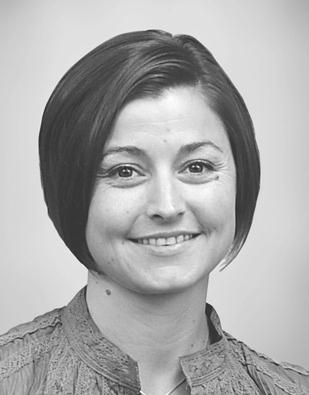
Ariana DeMers, DO 532-0126
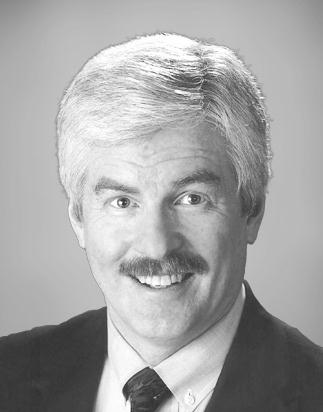
Airell Nygaard, MD 588-1800
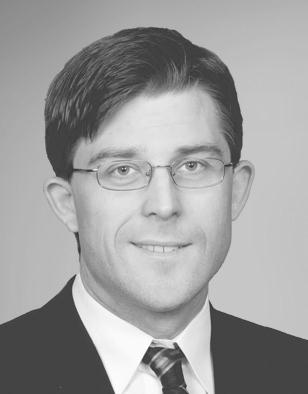
Thomas McDonald, MD 532-0126
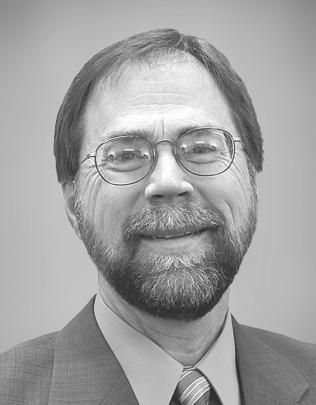
Steven Peterson, MD 532-6961
This is a SEO version of SonoraRegional. Click here to view full version
« Previous Page Table of Contents Next Page »